
Speaker presentations

Bertram Lahn Kirkegaard, PhD student, Prehospital Emergency Medical Services, Central Denmark Region, Denmark
Strategies for defibrillation, Thursday 10th, 09.15
This presentation will provide an overview of the current evidence regarding alternative defibrillation strategies and a complete walkthrough of the ongoing STRAT-DEFI trial.
The STRAT-DEFI trial is a randomized clinical trial evaluating defibrillation strategies during adult out-of-hospital cardiac arrest.
The aim of this trial is to determine whether there is a difference in survival when using anterior-posterior defibrillation or double sequential defibrillation as compared to standard anterior-lateral defibrillation in out-of-hospital cardiac arrest with a refractory shockable rhythm.
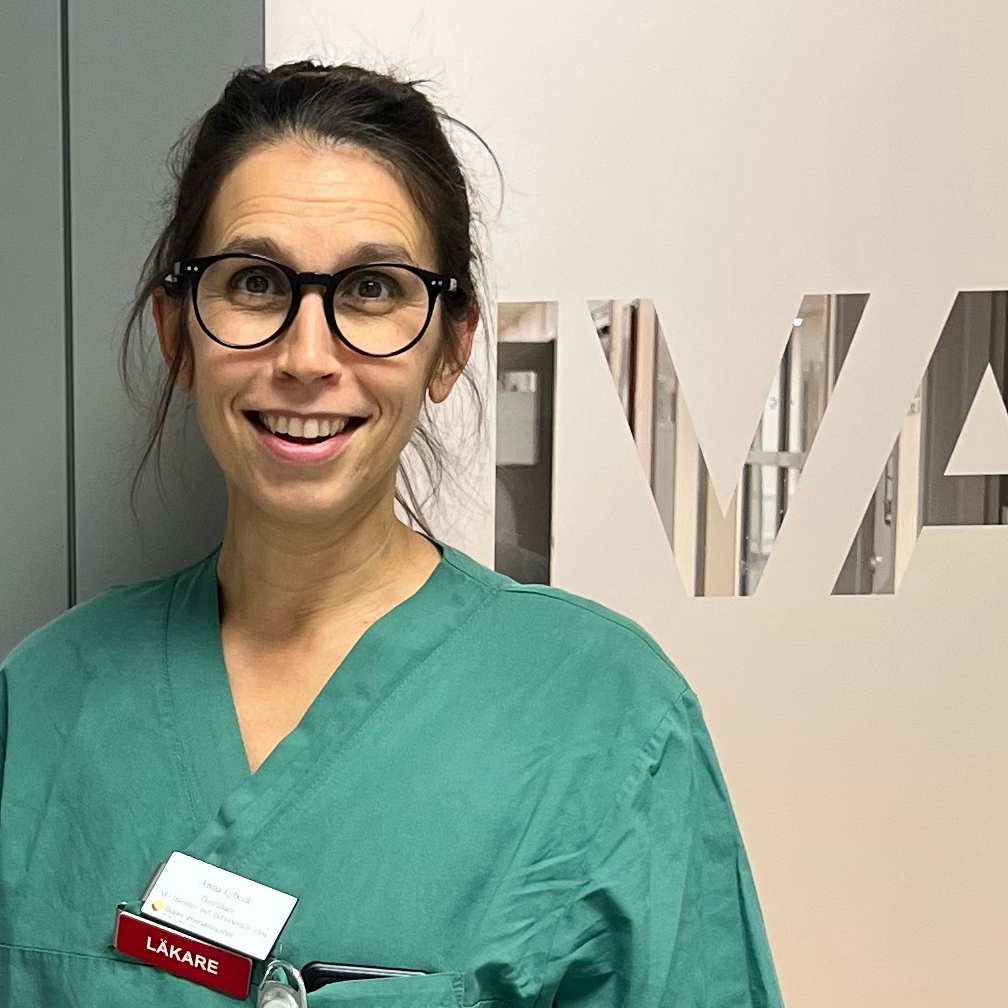
Anna Lybeck, Dr, Senior Consultant, Intensive and Perioperative Care,
Skåne University Hospital; Centre for Cardiac Arrest, Lund UniversityAnesthesiology and Intensive Car
Sedation and analgesia during CPR, Thursday 10th, 09.15
A person who is unresponsive and not breathing normally is considered to be in cardiac arrest. However, CPR-related cognitive activity, consciousness, awareness, and recall are increasingly being reported during ongoing resuscitation. These observations challenge traditional assumptions about the patient experience during cardiac arrest and raise important clinical and ethical questions.
The growing use of the opioid antagonist naloxone in suspected opioid-associated emergencies adds another dimension to this challenge. Emerging evidence suggests that naloxone administration may be associated with improved outcomes in cardiac arrest even in the absence of opioid overdose.
In this presentation, we will explore the evidence surrounding CPR-induced consciousness, the potential role of analgosedation during cardiac arrest, and the implications of naloxone use for contemporary resuscitation practice.
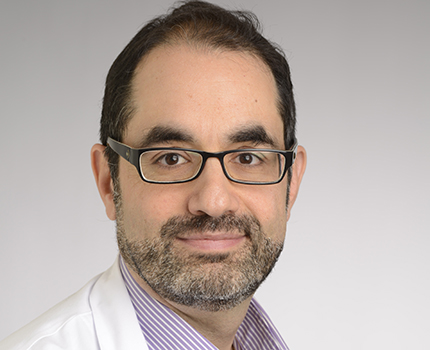
Andrea Rossetti, Prof. Dr med.
CHUV-Department of Neurology, Lausanne, Switzerland
Pro Con: Should we search for and actively treat seizures in the ICU?
Routine-EEG is of similar value and is more cost-effective!, Thursday 10th, 10.30
Over the past two decades Andrea Rossetti has developed a clinical and scientific interest for early outcome prognostication in comatose patients after cardiac arrest. Furthermore, he has also been exploring care optimization regarding the use of EEG in critically ill patients. During the course, he will describe the current understanding of the prognostic role of epileptiform EEG discharges in post-cardiac arrest patients, and their therapeutic implications, while in the debate he will summarize current evidence favoring a relatively parsimonious use of EEG.
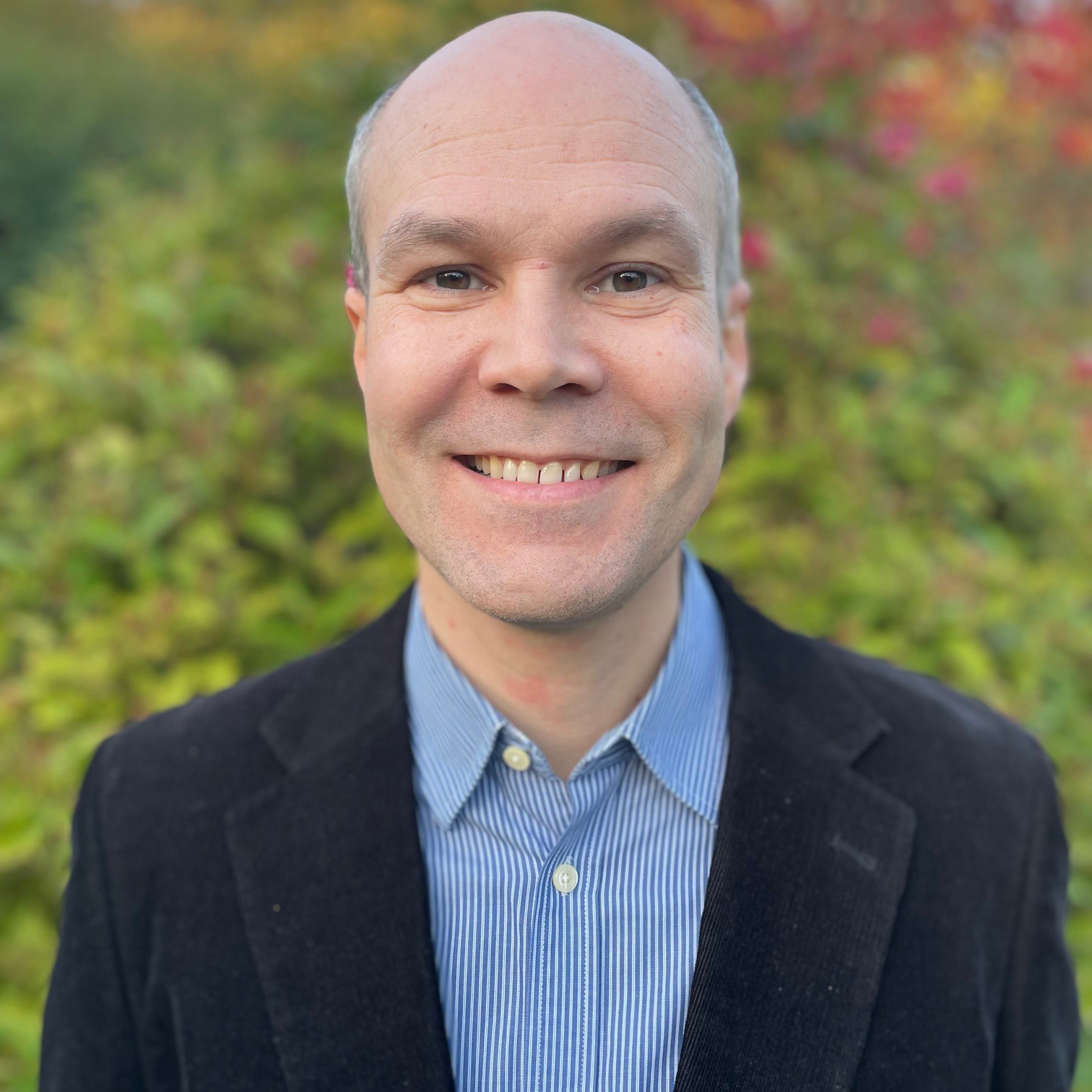
Erik Westhall, Associate professor, Senior consultant in Clinical Neurophysiology,
Skane University Hospital and Lund University, Sweden
Pro Con: Should we search for and actively treat seizures in the ICU?
Routine-EEG is of similar value and is more cost-effective!, Thursday 10th, 10.30
Eriks research area is electrophysiological measurements in critically ill patients suffering from acute brain injury, mainly focusing on neuroprognostication and assessment of electrographic seizures in comatose patients resuscitated after cardiac arrest.
In the Pro Con debate, Erik will summarize the prognostic value of early continuous EEG-monitoring (cEEG) in the post-cardiac arrest setting. He will also argue for the use of simplified electrode montages that can be applied by the bedside staff. Further, he will describe how cEEG may be used to identify the subgroup of patients with postanoxic status epilepticus that have a chance of good outcome.
Markus Skrifvars, MD, European Diploma of Intensive Care Medicine, Fellow of the College of Intensive Care Medicine
Earlier neuroprognostication- what’s the available evidence?, Thursday 10th, 13.00
Current Guidelines recommend that neuroprognostication should not be performed before 72 after the cardiac arrest. In some cases patients have signs of so severe brain injury that an earlier prognostication seems like a viable option. In this talk I will review the evidence behind this.
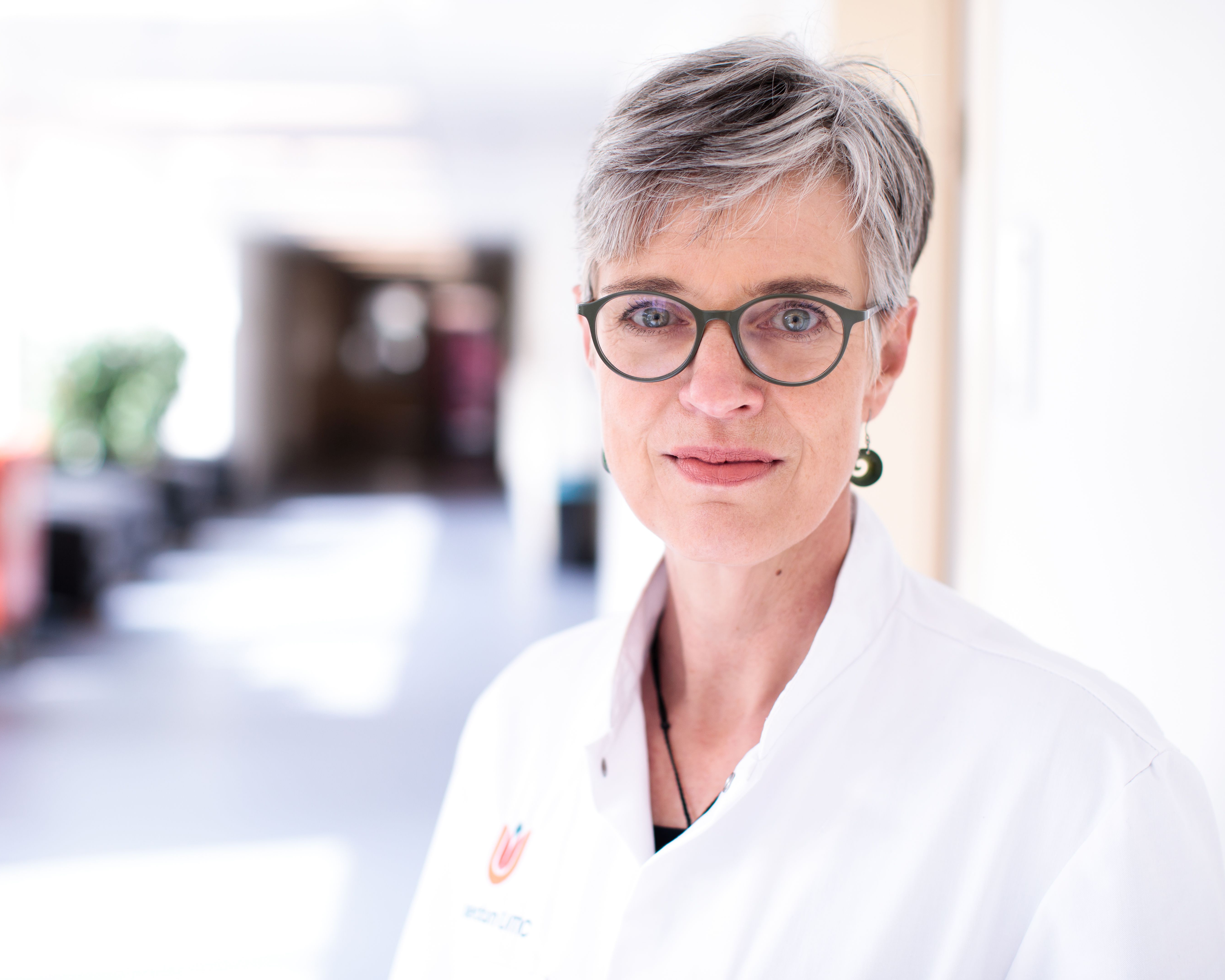
Janneke Horn, works as professor of Neuro-Intensive Care Medicine at the Amsterdam UMC, combining clinical work and research in the field of severe brain injury and coma.
How should we handle the patient with indeterminate outcome? Thursday 10th, 13.00
At the conference I will discuss several cases from my clinic who had un uncertain outcome based on the results of diagnostic tests. Pros and cons of possible strategies will be discussed
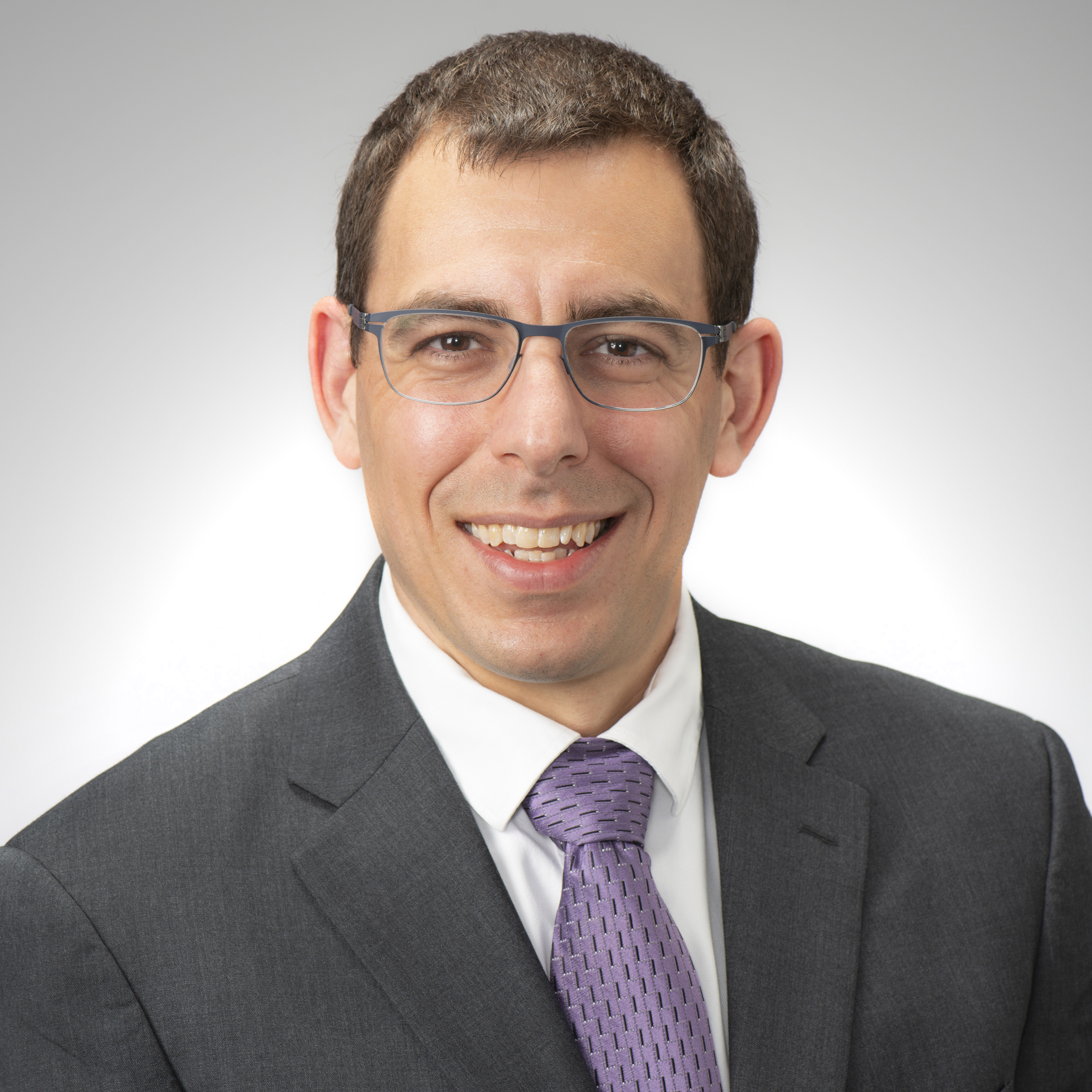
Jonathan Elmer, Associate Professor, University of Pittsburgh USA
Withdrawl of care and the self-fulfilling prophecy, Thursday 10th, 13.00
Withdrawal of life-sustaining therapies (WLST) after cardiac arrest can be ethical and patient-centered or motivated by false prediction of poor prognosis for recovery. Regardless of motivation or quality of information informing shared decision-making, WLST results in death leading to pervasive clinical and scientific problems. Clinicians refine decision-making through feedback, and WLST can reinforce excessive pessimism. In observational studies, measured associations of clinical factors or treatments with outcome are conditioned both on clinical factors and WLST. In trials, WLST can be a post-randomization confounder biasing results to the null. This talk will discuss WLST and approaches to mitigate its downstream consequence.
Why is the brain in focus after Cardiac arrest? Friday 11th, 09.15
Hypoxic-ischemic brain injury (HIBI) is the major determinant of recovery potential and quality for patients resuscitated from cardiac arrest. Despite abundant preclinical and translational data suggesting HIBI is modifiable, we have failed to translate effective therapies to the bedside. Improving high-quality survival after cardiac arrest will require a fundamental shift in our approach to knowledge generation and discovery, with a specific focus on precision neurocritical care and prognostication. This talk will address barriers to discovery in HIBI treatment and propose possible solutions for discussion.
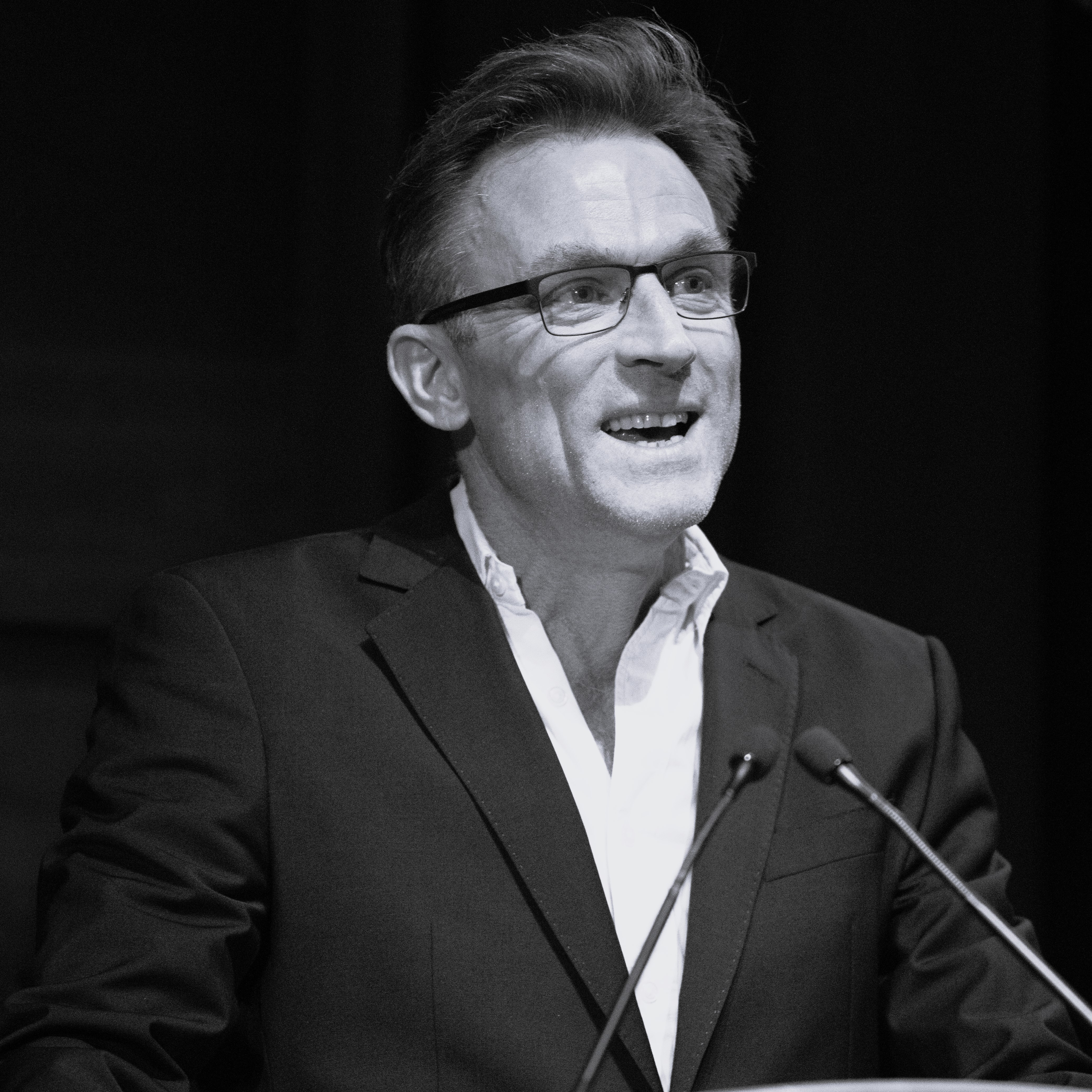
Ian Thomas, Consultant in Adult Critical Care MedicineNorth Bristol NHS Trust
National Lead for Operational Performance in Deceased Organ Donation in the UK NHS Blood and Transplant
Controlled DCD after a cardiac arrest - a user’s guid, Thirsday 10th, 15.00
Globally there is a growing gap between the waiting list for organ transplants and the provision of organs for transplantation from deceased organ donors. Multi-modal strategies are required to address this disparity including expansion of the pool of patients who can be considered eligible for deceased organ donation alongside technological advancements in retrieval surgery and the assessment and recovery of retrieved organs. Controlled organ donation following the diagnosis and confirmation of death using circulatory criteria has the potential to expand the pool of patients eligible to be considered as deceased organ donors and should be viewed as a routine option for patients as part of high quality end of life care
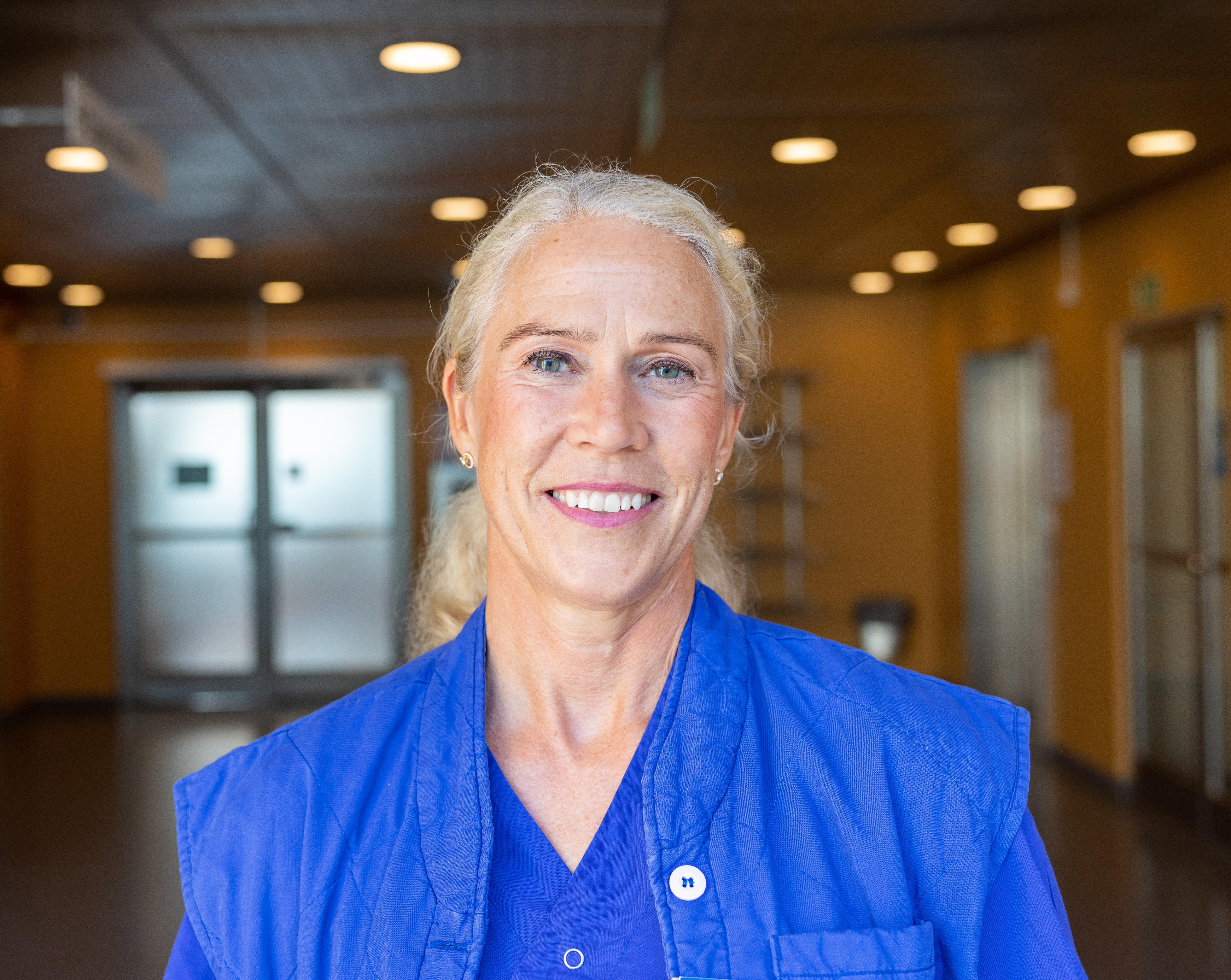
Pia Löwhagen Hendén, MD, PhD, Senior Consultant Intensive Care, Regional Lead Organ Donation Western Region
Department of Anaesthesia and Intensive Care, Sahlgrenska University Hospital
Organ donation after cardiac arrest, Thursday 10th, 15.00
Uncontrolled DCD (uDCD), as practiced internationally, gives rise to medical, ethical, and legal challenges regarding the determination of death and the “dead donor rule.” The lecture addresses the anatomical and physiological prerequisites that must be considered and provides a glimpse of a study exploring an alternative approach to performing uDCD.
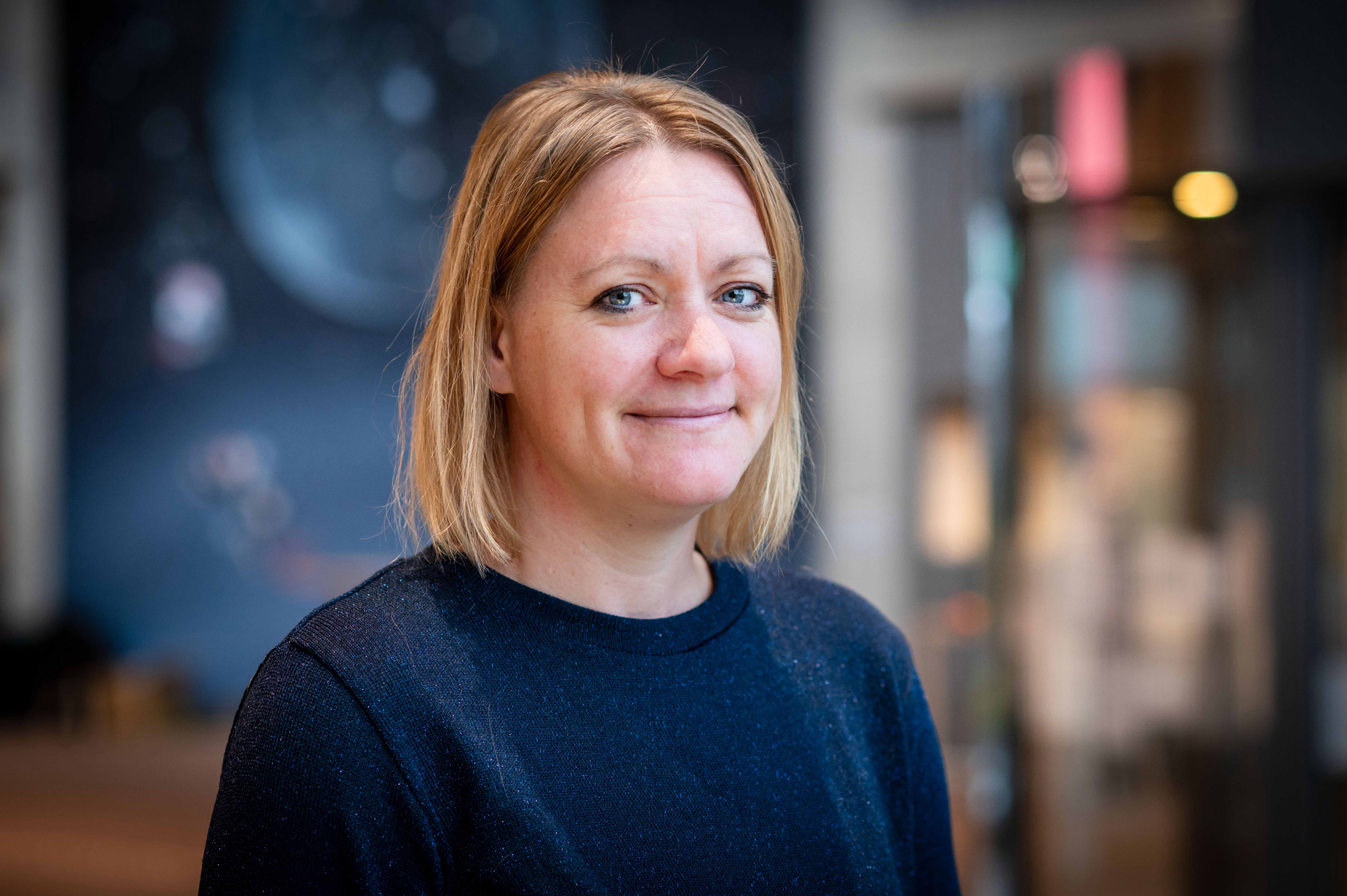
Marion Moseby-Knappe, ass. Prof. Clinical Neurology
Skåne University Hospital, Lund, Sweden
Organ donation after cardiac arrest, Thursday 10th, 15.00
Sweden recently updated its criteria for organ donation, encouraging Donation after Circulatory Death (DCD) in addition to Donation after Brain Death (DBD). In this session, Marion will discuss some of the relevant ethical considerations for organ donation in unconscious cardiac arrest patients.
Marie Oxenbøll Collet, Senior Researcher and associate professor / Clinical Nurse Specialist
Department of Intensive Care, Copenhagen University Hospital, Rigshospitalet, Copenhagen, Denmark / Department of Clinical Medicine, University of Copenhagen, Copenhagen, Denmark
Delirium management in the ICU, Friday 11th, 09.15
My presentation will focus on delirium in the intensive care unit, including its impact on patients, relatives, and recovery after critical illness. I will address how delirium can be understood, prevented, and managed through person-centred, interdisciplinary care, with attention to non-pharmacological interventions, early mobilization, sleep, communication, and family involvement in the ICU.

Paul Swindell, Survivor, founder and Chair of Sudden Cardiac Arrest UK, UK
Outcome and follow up- What’s important?
The survivor perspective, Friday 11th 09.15
The 2025 ERC and AHA guidelines now emphasise survivorship in the chain of survival. That is real progress, and it reflects years of work by many people in this field. For survivors, though, the experience after discharge has been slower to change. When we asked our members the same questions we asked ten years ago, most still said no one had checked how they were coping or asked about their quality of life.
I will share what survivors and co-survivors tell us matters most, where the gaps remain, and what they ask for.
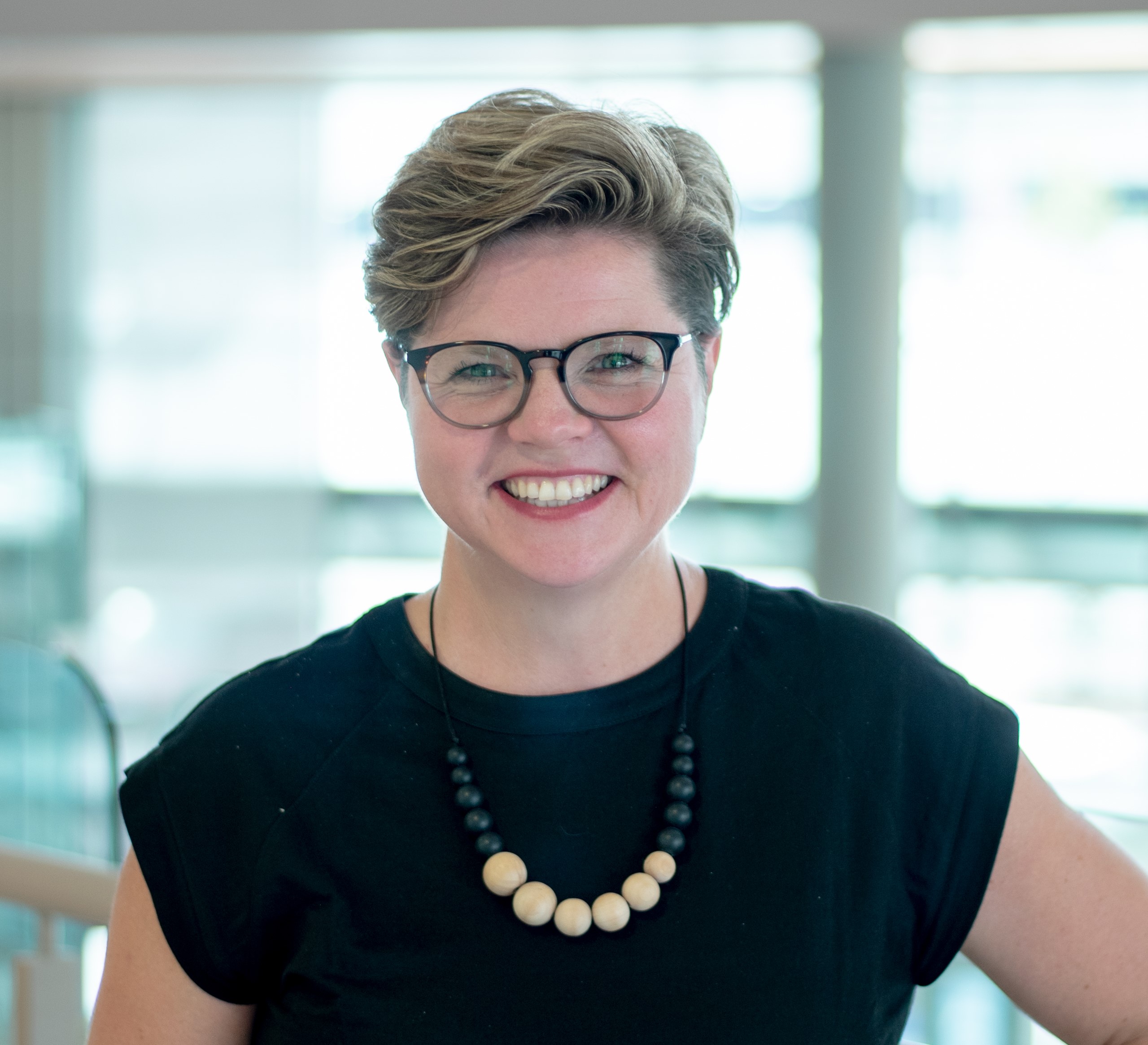
Katie N. Dainty, PhD
Outcome and follow up- What’s important?
The relative perspective, Friday 11th 09.15
Professor Katie Dainty is a social scientist and Research Chair in Patient-Centered Outcomes at North York General Hospital and Associate Professor of Health Systems Research at the University of Toronto. She is an internationally recognized expert in survivor and family experience of sudden cardiac arrest and has extensive methodologic experience in qualitative and mixed research methods, the development of patient-centered outcome measures, and patient engagement in research. Her core program of research focuses on using qualitative and co-design methods to unpack long-held assumptions about how to support patients and families at their most vulnerable moments.
Dr. Pauline van Gils
University of Amsterdam, University of Twente (+ Maastricht University)
Assessing and understanding cognitive impairment, Friday 11th, 11.00
Many people who survive a cardiac arrest have cognitive impairment, yet recognizing and assessing cognitive impairment remains challenging. In this talk, we will explore several approaches to evaluating cognitive functioning after cardiac arrest, from screening tools to neuropsychological assessment, highlighting the strengths and limitations of each method. We will also examine the mismatch often observed in research between objective cognitive test performance and patient’s subjective complaints and discuss possible explanations for this discrepancy.
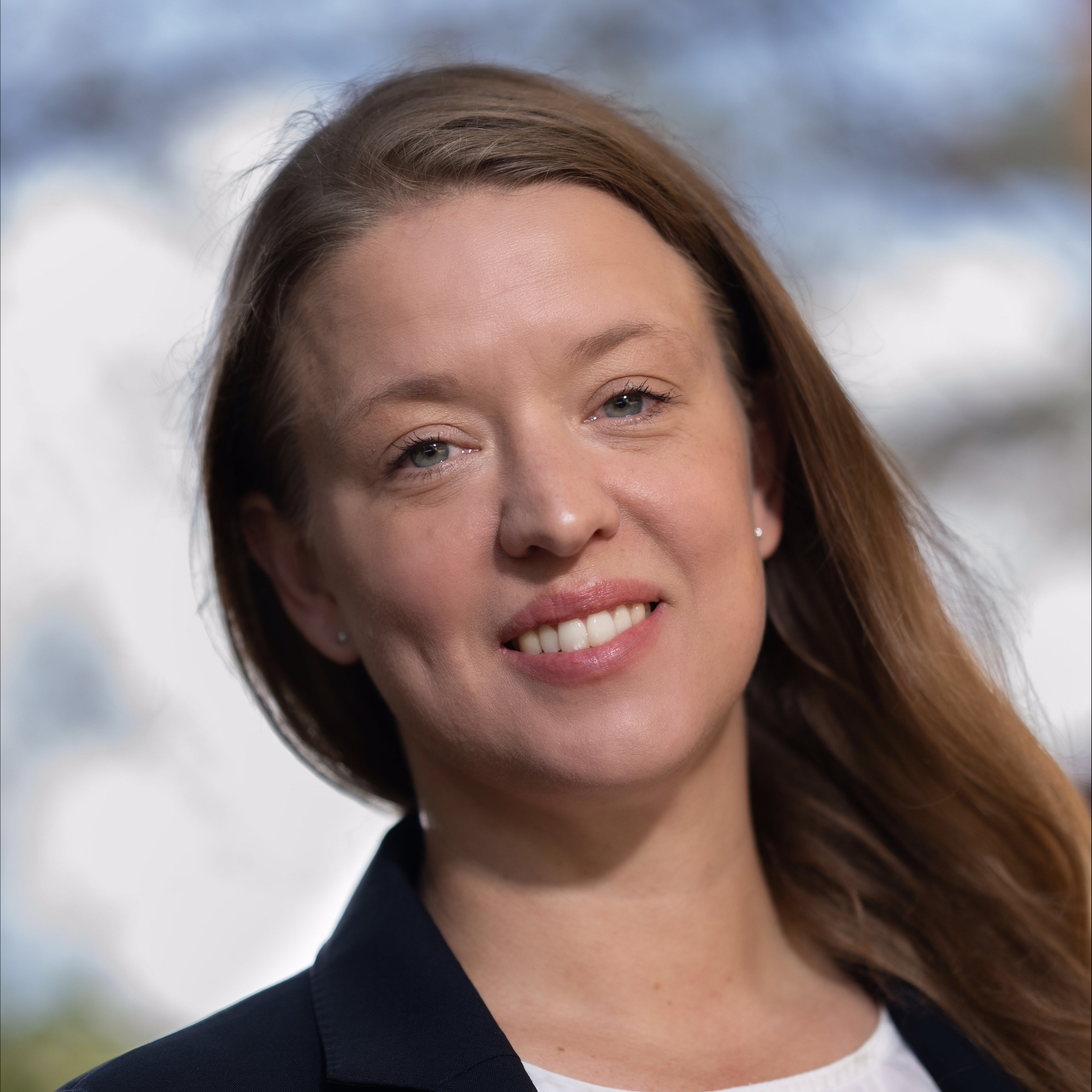
Josefin Särnholm, PhD, Senior Research Specialist, Licensed Psychologist
Centre for Psychiatry Research, Department of Clinical Neuroscience, Karolinska Institutet, Stockholm, Sweden; Behavioral Medicine Unit, Karolinska University Hospital, Stockholm, Sweden
Cardiac Anxiety After Cardiac Arrest, Friday 11th, 11.00
Many survivors of cardiac arrest experience persistent worry, heightened attention to bodily sensations, and fear of another cardiac event. While understandable, these reactions can contribute to avoidance, reduced physical activity, and difficulties returning to everyday life. This presentation will discuss cardiac anxiety after cardiac arrest and how fear-based responses may interfere with recovery. Cognitive behavioral therapy (CBT) strategies for reducing fear, regaining everyday life, and learning to trust the body again will be reviewed, together with recent research on psychological recovery after acute cardiac events and practical implications for clinical care.
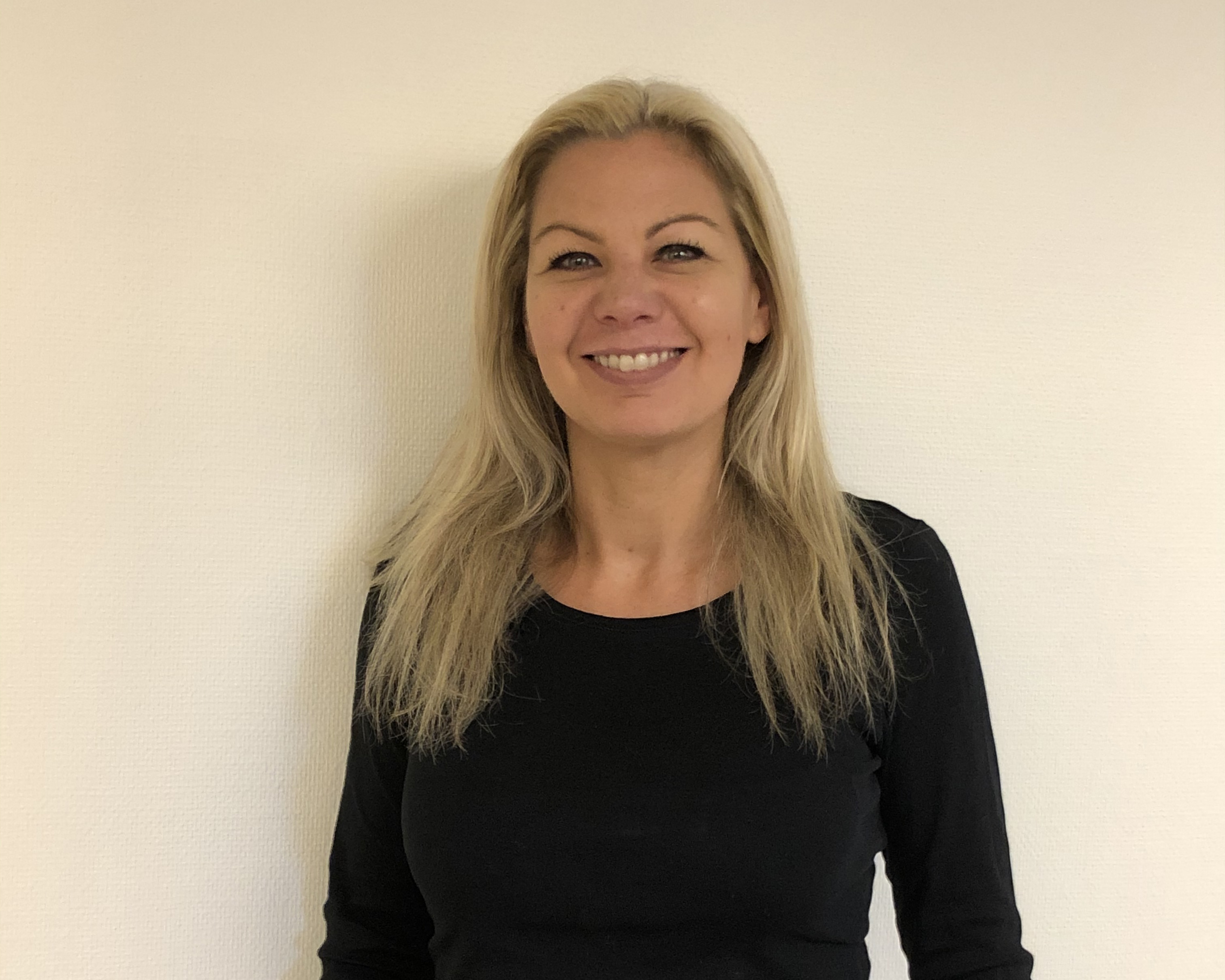
Gisela Lilja, OT, Associate professor, Skåne university hospital and Lund University, Sweden
Return to work after cardiac arrest, Friday 11th 11.00
Gisela Lilja is an Occupational Therapist and researcher specializing in long‑term outcomes after cardiac arrest, with a particular focus on cognition, participation and work reintegration. In her presentation, she will discuss emerging evidence on return‑to‑work trajectories after cardiac arrest, highlight key barriers and facilitators identified in recent studies, and outline implications for rehabilitation pathways, follow‑up structures and interdisciplinary collaboration.
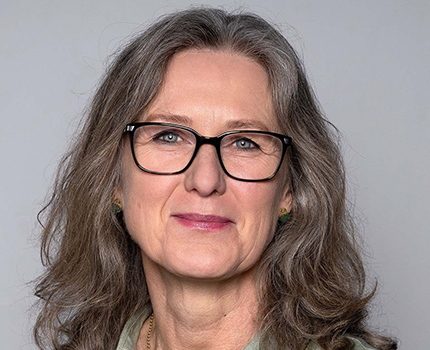
Marika Möller, Associate professor, licensed psychologist, specialist in neuropsychology
Department of Rehabilitation Medicine, Danderyd Hospital, Stockholm
Cognitive problems – and now what?
Cognitive/neurorehabilitatio, Friday 11th 14.00
Common cognitive impairments after cardiac arrest include memory deficits, executive dysfunction (such as difficulties with planning, organization, and decision‑making), reduced attention and concentration, and slowed processing speed. Fatigue is also frequent and may exacerbate these cognitive challenges. This lecture provides an overview of evidence based cognitive rehabilitation including which evidence‑based methods are appropriate for different cognitive domains and when compensatory strategies vs. restorative training should be applied.